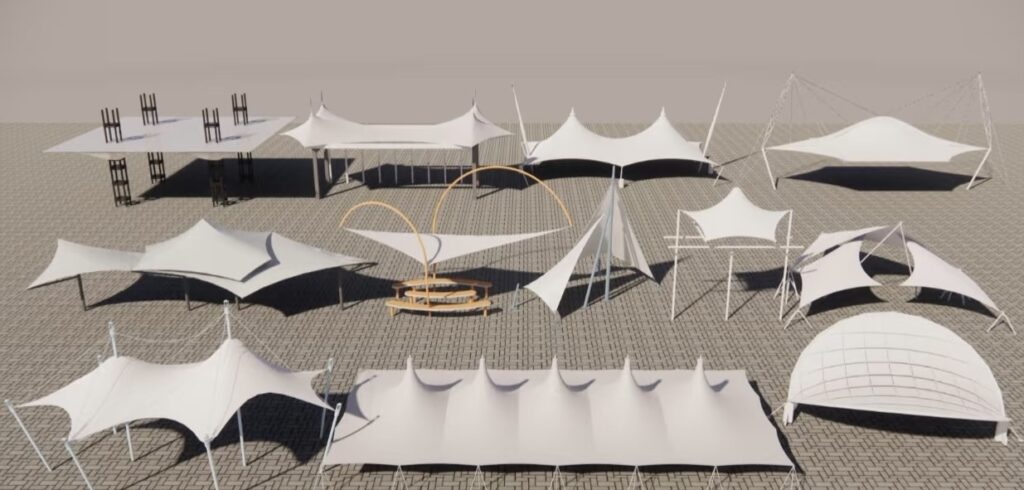
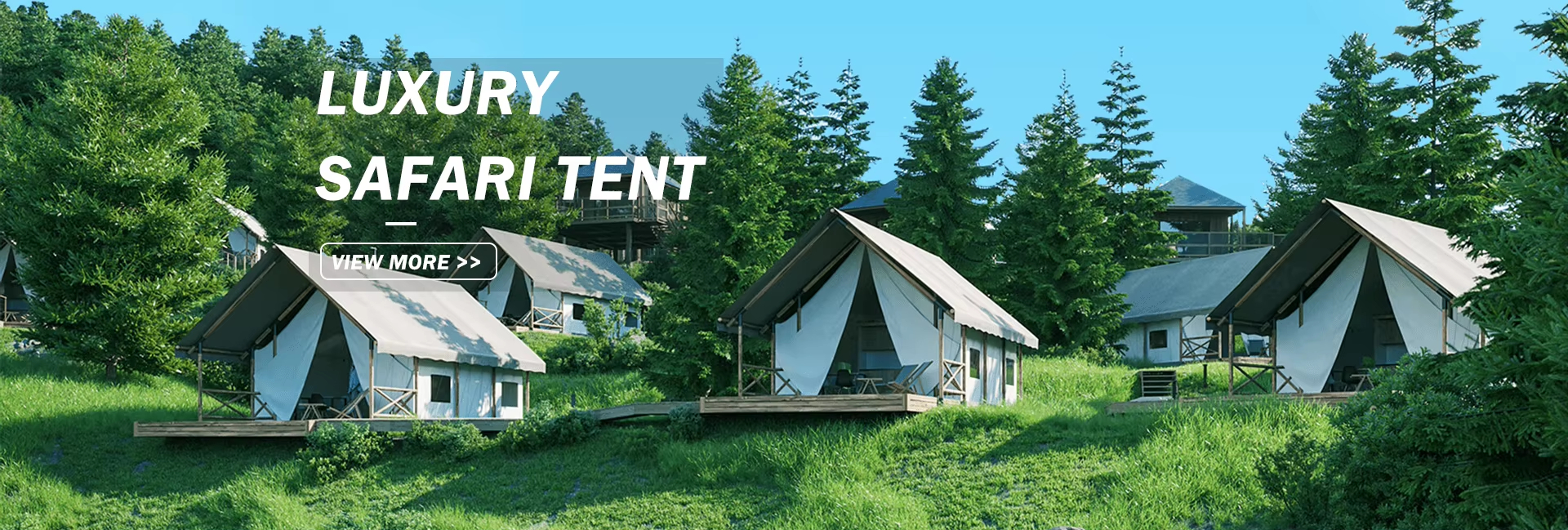

How to choose a tent for camp ?
The key to choosing a PVC dome tent is to first clearly define its purpose and scenario, then focus on five key dimensions: PVC material specifications, frame strength, size and capacity, weather resistance, and installation and maintenance. Simultaneously, verify the supplier’s qualifications and after-sales support to ensure compatibility and long-term reliability. Below is a detailed step-by-step purchasing guide:
I. Define Purpose and Scenario (Determine Core Configuration)
Camping/B&B: Prioritize lightweight, easy-to-assemble, well-ventilated, and transparent PVC for excellent visibility, while also considering privacy and insulation.
Commercial Activities (Exhibitions/Promotions): Choose customizable printing, large sizes, wind and water resistance, and quick inflation/assembly for brand display.
Outdoor Catering/Weddings: Emphasize aesthetics, options for light transmission/shading, and strong stability; require matching flooring and decorative interfaces.
Long-Term Fixed Use (Campsites/Storage): Must use thickened PVC (≥850g/㎡), galvanized steel frame, fire retardant, and UV stabilized to ensure durability.
Structural Type:
Steel Frame Type (Common): Galvanized steel pipe/aluminum alloy, diameter ≥26mm, wall thickness ≥1.6mm; reinforced joints to prevent loosening, suitable for long-term fixed installation or areas with high winds (wind resistance ≥10).
Wind Resistance Rating: Selected according to the wind speed of the area of use; coastal/high altitude areas require ≥12, equipped with ground anchors, guy ropes, and weighted sandbags.
Load Capacity: The top can withstand snow accumulation (≥20kg/㎡), requiring a reinforced frame or a snow melting system (cold regions).
3. Dimensions and Capacity (Based on Number of People/Functions):
Diameter Reference (Circular): 4m (4–6 people), 6m (8–12 people), 8m (15–20 people), 10m+ (30 people or more).
Space Planning: Consider furniture placement (tables, chairs/beds), aisle width (≥0.8m), storage area; commercial uses require reserved display/interactive space.
Height: Center height ≥ 2.8m to ensure comfortable standing; transparent models offer higher visibility.
4. Installation and Maintenance (Affects Usage Efficiency)
Equipment Difficulty: Inflatable is the simplest; steel frame models require detailed assembly steps, prioritizing modular design, and include a detailed instruction manual and tools.
Accessories Completeness: Check that ground stakes, ropes, repair kit, air pump (for inflatable models), and sealing strips are complete.
Maintenance Costs: PVC requires regular cleaning (with neutral detergent), avoiding sharp objects and high temperatures; steel frames need rust prevention, and inflatable models require careful attention to air pressure.
III. Brand and Supplier Selection (Reduces Procurement Risk)
Certifications: Check ISO9001, fireproof/environmental certifications; export must comply with local standards (e.g., EU REACH, US FDA).
Reputation: Check customer reviews, focusing on durability and after-sales response speed (e.g., repair service, parts supply).
Customization Capabilities: Can you customize sizes, colors, print logos, and add doors/windows/vents to meet individual needs?
After-sales service: Warranty ≥ 2 years (tarpaulin), frame ≥ 5 years; installation guidance and maintenance training provided.
IV. Common Misconceptions and Avoidance Suggestions
Price-only approach: Low-priced PVC often has insufficient weight and a thin coating, making it prone to aging and cracking, resulting in higher long-term costs.
Ignoring wind resistance: Even temporary events need to consider sudden strong winds; be sure to equip the event with complete reinforcement accessories (ground anchors, guy ropes).
Understanding inflatable models: Lack of a blower or repair kit can lead to leaks and event disruptions.
Ignoring environmental protection: For outdoor use, choose recyclable PVC to avoid environmental pollution.