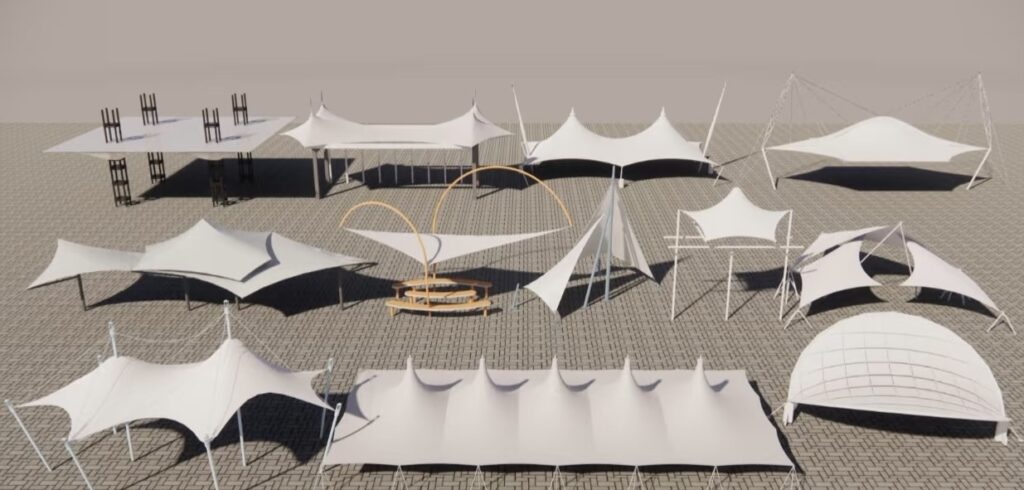
As a novel architectural structure that integrates multiple disciplines, membrane structures are increasingly widely applied in the field of architecture due to their numerous advantages in construction, functionality, and aesthetics. Driven by policies and technological advancements, they continue to evolve toward greener and more intelligent directions. Below is a detailed introduction to their advantages and trends:
Spatial and Stylistic Advantages Stand Out:
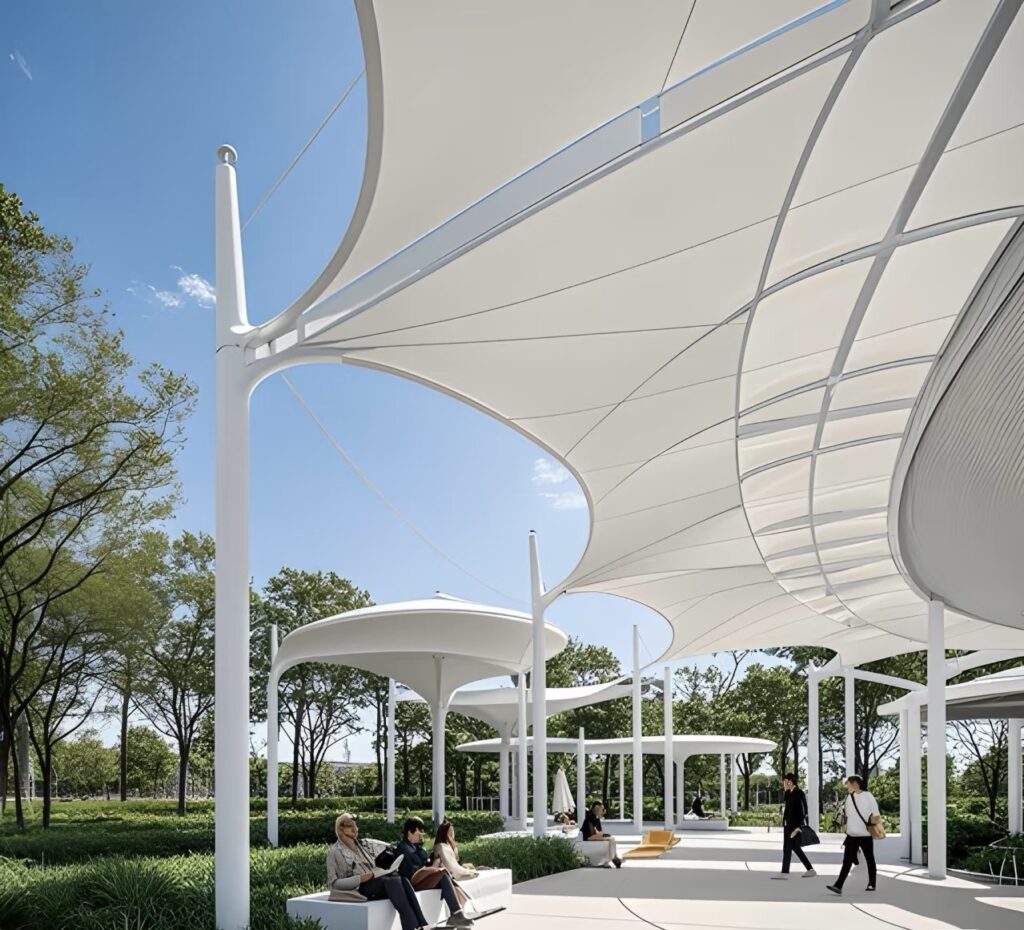
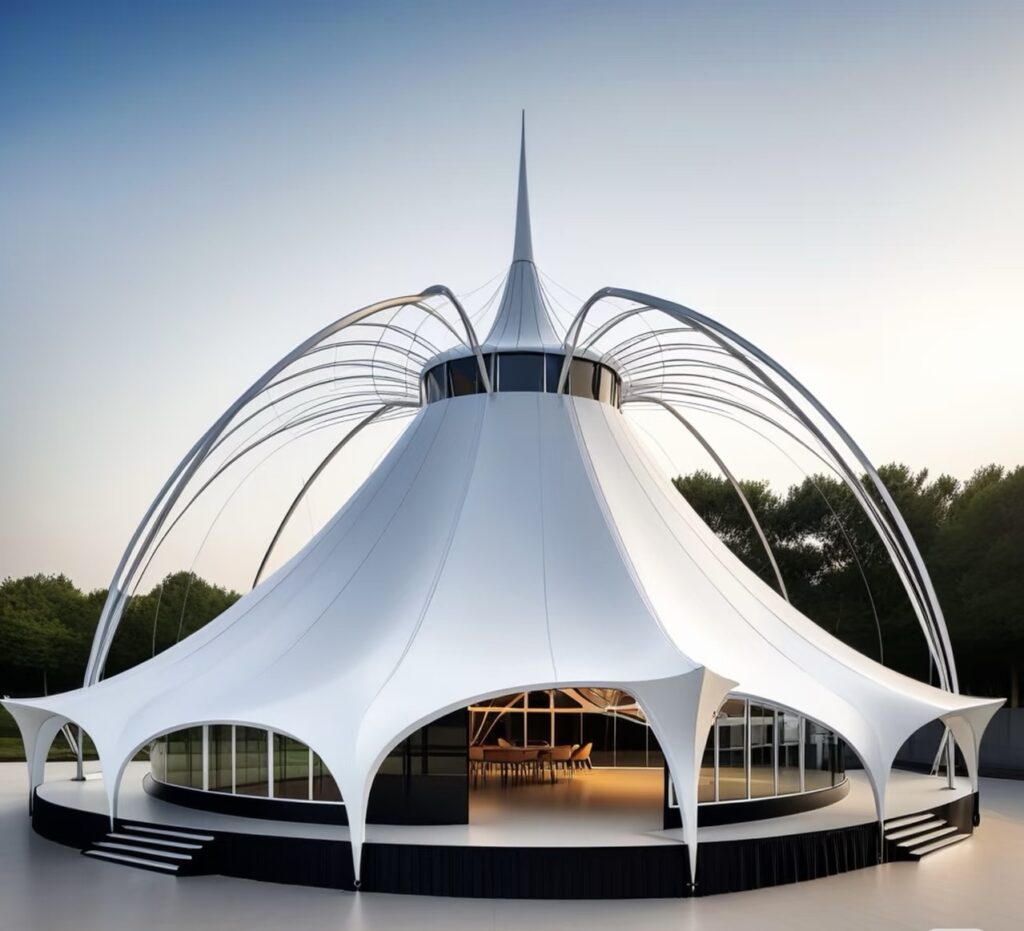
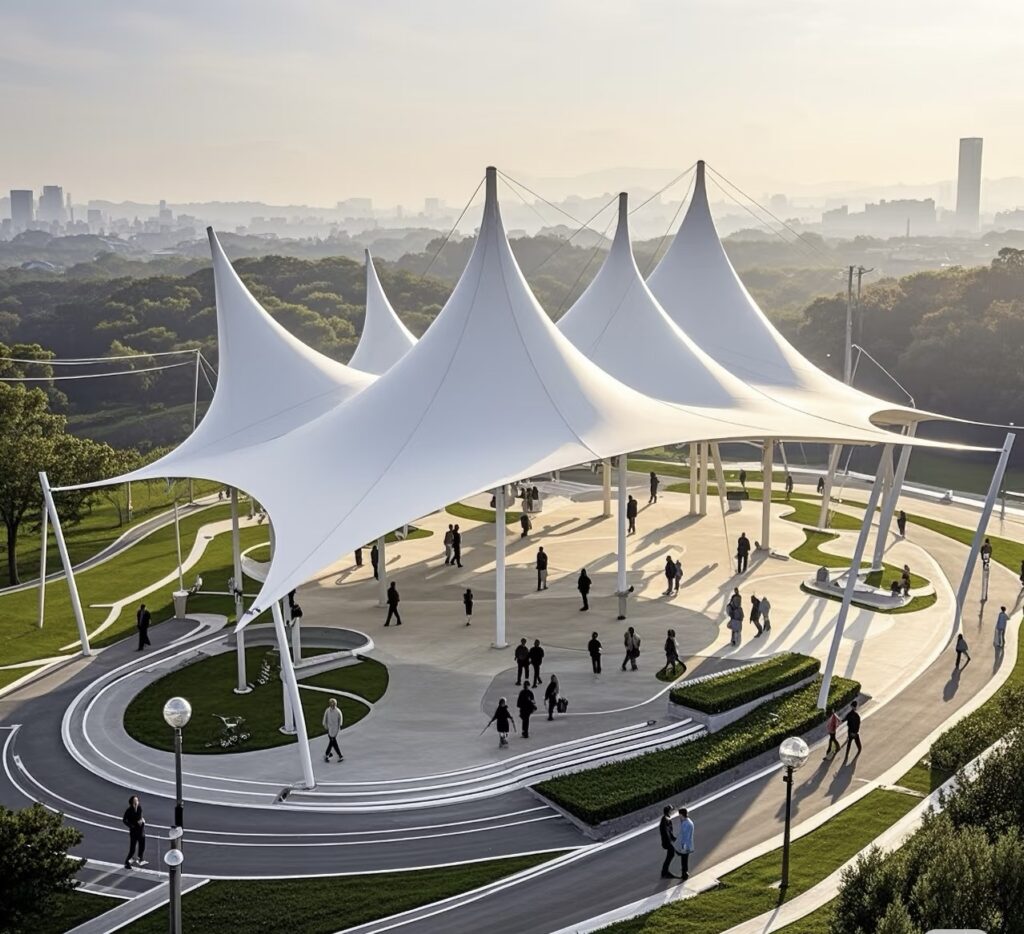
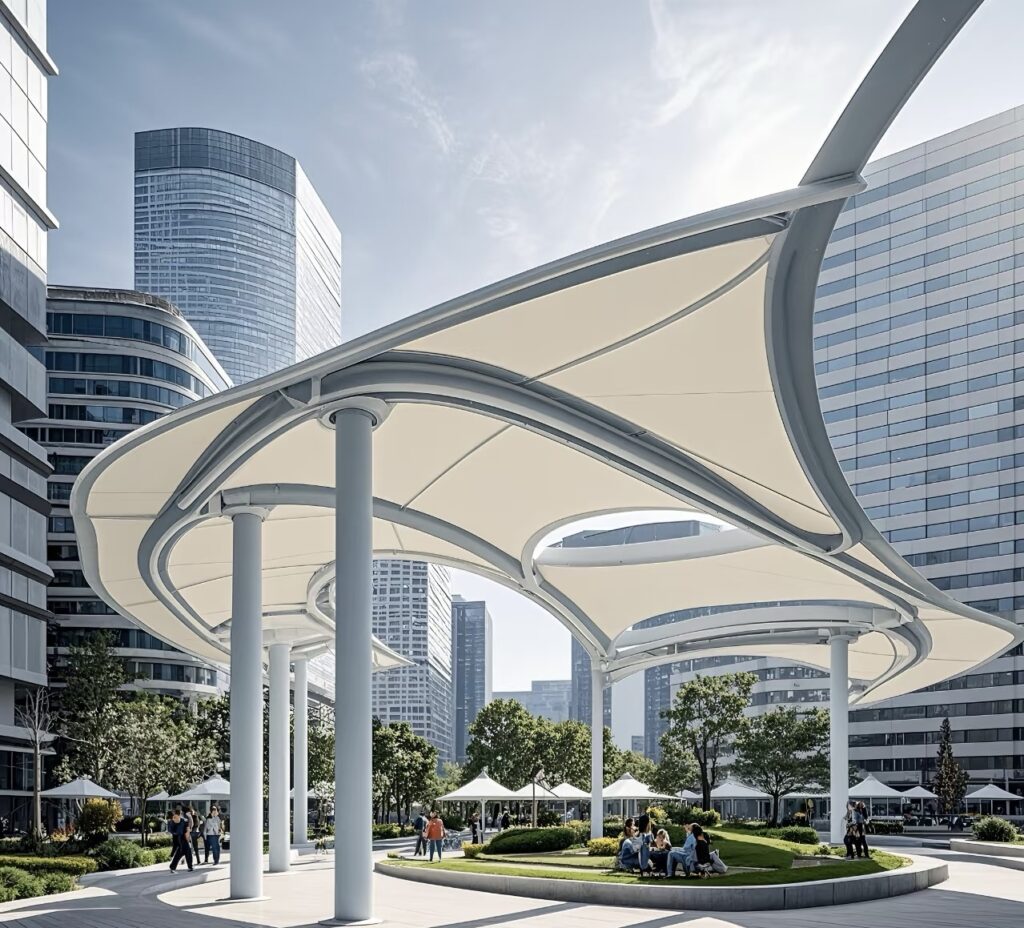
Membrane structures rely on prestress for stability, with a self-weight only one-thirtieth that of traditional building materials, significantly reducing the load on supporting structures. This enables effortless design of large-span, column-free spaces, making them particularly suitable for venues requiring expansive open areas, such as sports stadiums, convention centers, and transportation hubs. Additionally, the flexible nature of membrane materials allows for the creation of complex curved and folded surfaces through tensioning. Combined with a variety of colors and textures, these materials can produce highly sculptural architectural forms. During the day, they exhibit a translucent quality under natural light, while at night, integrated lighting can transform them into iconic urban landmarks—achievements difficult to realize efficiently with rigid traditional building materials.
High construction and economic cost performance ratio:
The membrane materials and related components of membrane structures are mostly prefabricated in factories, requiring only tensioning and installation on-site. This reduces wet work and construction waste, with a significantly shorter construction period compared to traditional buildings—often completed in just a few weeks, greatly saving time and labor costs. From a lifecycle cost perspective, their lightweight properties reduce the material usage for foundations and supporting structures, lowering costs by 15%-20%. Additionally, modern membrane materials possess excellent anti-aging, UV-resistant, and self-cleaning properties, eliminating the need for frequent maintenance over long-term use. Annual maintenance costs are far lower than those of traditional steel structure or other building forms.“`.
Strong adaptability in safety and functionality:
Membrane structures are lightweight, and even in the event of disasters such as earthquakes leading to unexpected collapses, the resulting hazards are significantly lower than those of traditional buildings. Moreover, even if the membrane surface tears, as long as the rigid support components like masts, beams, and columns are designed properly, the structure will not collapse entirely, ensuring greater safety. Additionally, standard membrane materials have a spectral transmittance of 10%-20%, with some reaching up to 40%, which creates uniform interior diffuse light, reducing glare while lowering daytime lighting energy consumption. Certain porous membrane materials can also control light transmission and reflection, promoting natural ventilation and, when paired with well-designed systems, regulating the internal microclimate of the building. Furthermore, they are mobile, allowing for repeated disassembly and reconstruction, making them easy to transport and occupying minimal space when idle, making them suitable for temporary structures such as emergency shelters.
Good coordination with greenery and the environment:
Membrane structure construction causes minimal disturbance to the site foundation. In ecologically sensitive or topographically complex areas, compared to traditional building methods involving large-scale excavation and pouring, it causes less damage to the original environment. Additionally, most membrane materials are recyclable, aligning with the concept of resource recycling. Their unique shapes also facilitate rainwater collection design, offering more possibilities for sustainable building operation, which conforms to the current development philosophy of green architecture.
| material | Core components (substrate+coating) | Core Features | Typical application scenarios |
|---|---|---|---|
| PVC cover | Substrate: Polyester fiber (PET) plain weave/mesh fabric; Coating: Polyvinyl chloride (PVC)+surface PVDF (polyvinylidene fluoride) coating | High cost-effectiveness, good flexibility, and easy processing; PVDF coating enhances UV resistance and self-cleaning properties (rainwater can wash away dust); Normal lifespan of 10-15 years | Temporary exhibition halls, sports venue stands, commercial corridors, landscape sheds, small and medium-sized column free spaces (span ≤ 30m) |
| PTFE cover | Substrate: Glass Fiber (GF) plain weave fabric; | High temperature resistance (-70 ℃~260 ℃), acid and alkali corrosion resistance; Extremely strong self-cleaning property (no oil and dust), excellent anti-aging property; Life expectancy of 25-30 years+; Light transmittance 10% -40% (diffuse light, no glare) | Large span sports venues (such as Bird’s Nest stands), convention centers, airport terminals, and permanent landmark buildings (with a span of ≥ 30m) |
| ETFE cover | Substrate: Non woven substrate, made of ethylene tetrafluoroethylene copolymer (ETFE) film (single-layer/multi-layer inflatable structure) | Extremely high transmittance (85% -95%, close to glass); Extremely lightweight (only 1/10 of glass), strong impact resistance; Recyclable and with excellent weather resistance; Lifespan of 15-20 years | Roofs of super large venues (such as the National Speed Skating Oval’s “Ice Ribbon”), greenhouses, cultural and tourism landscape domes, and transparent corridors |
| Project Solution Capability | graphic design, 3D model design | All Weather protection, perfect UV resistance, Waterproof, Wind proof, Snow proof, Shake proof. √. Completely heat and water resistant. √. High abrasion resistance, Anti-aging, Anti-static, high light transmission. √. Fireproof, Flame Resistant, Moisture proof, Smoke proof, Soundproof, Self-cleaning. |
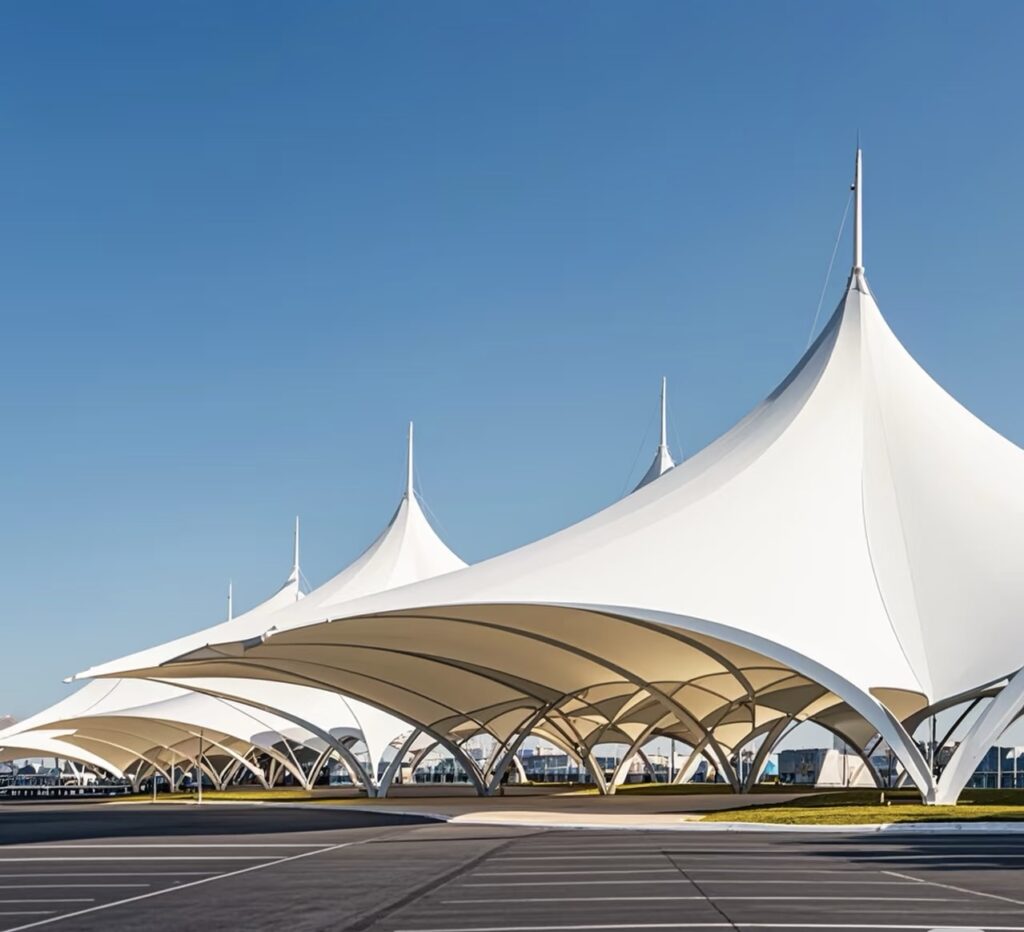
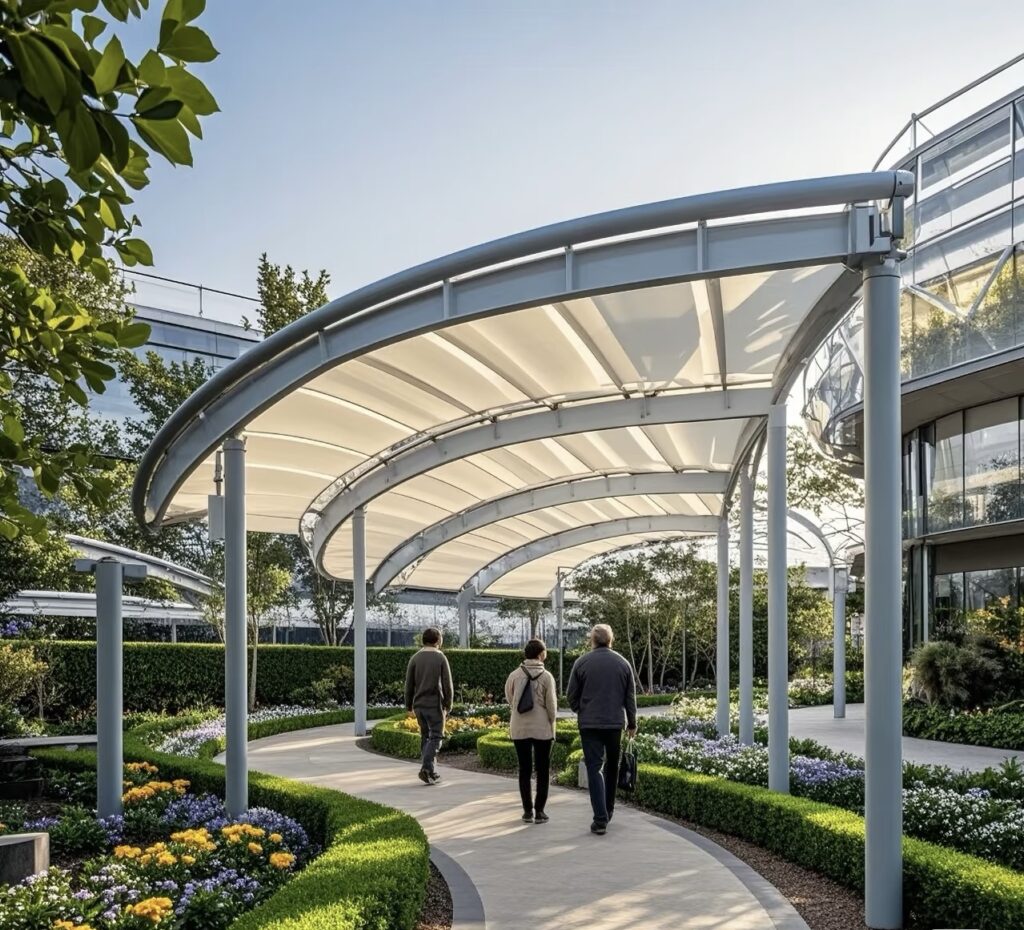
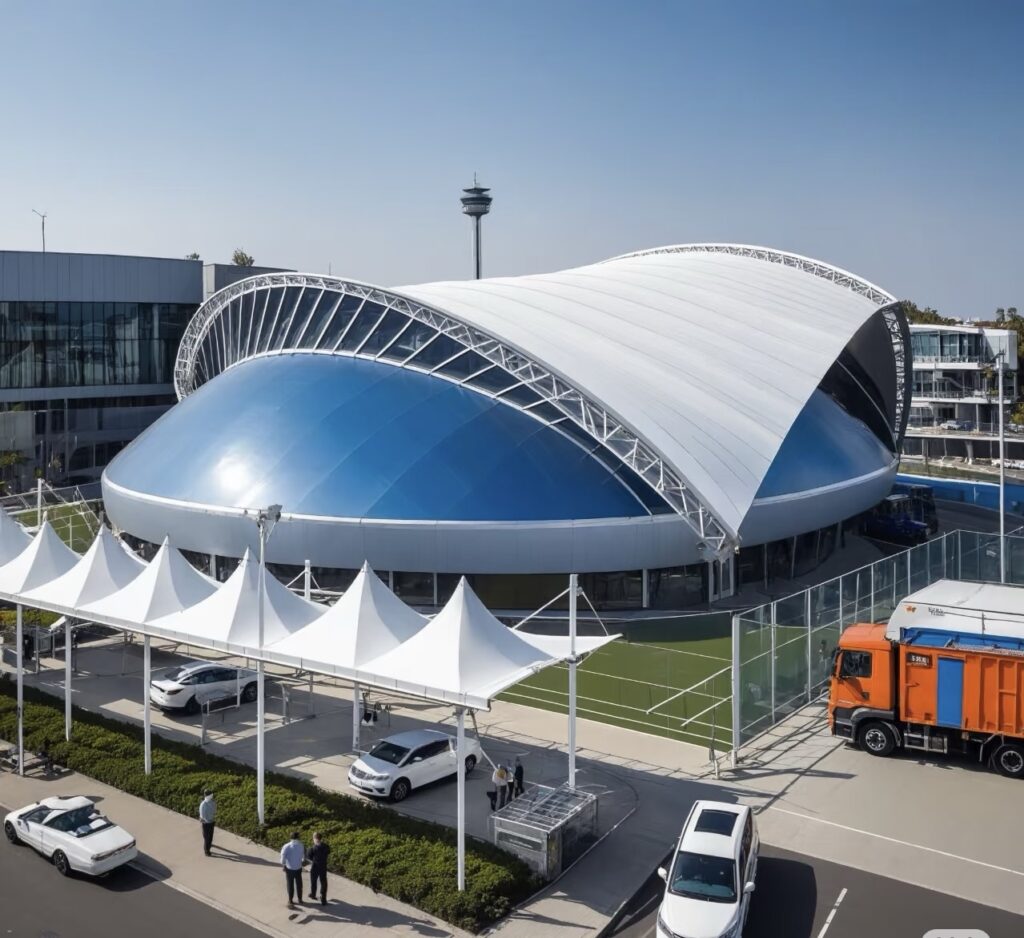
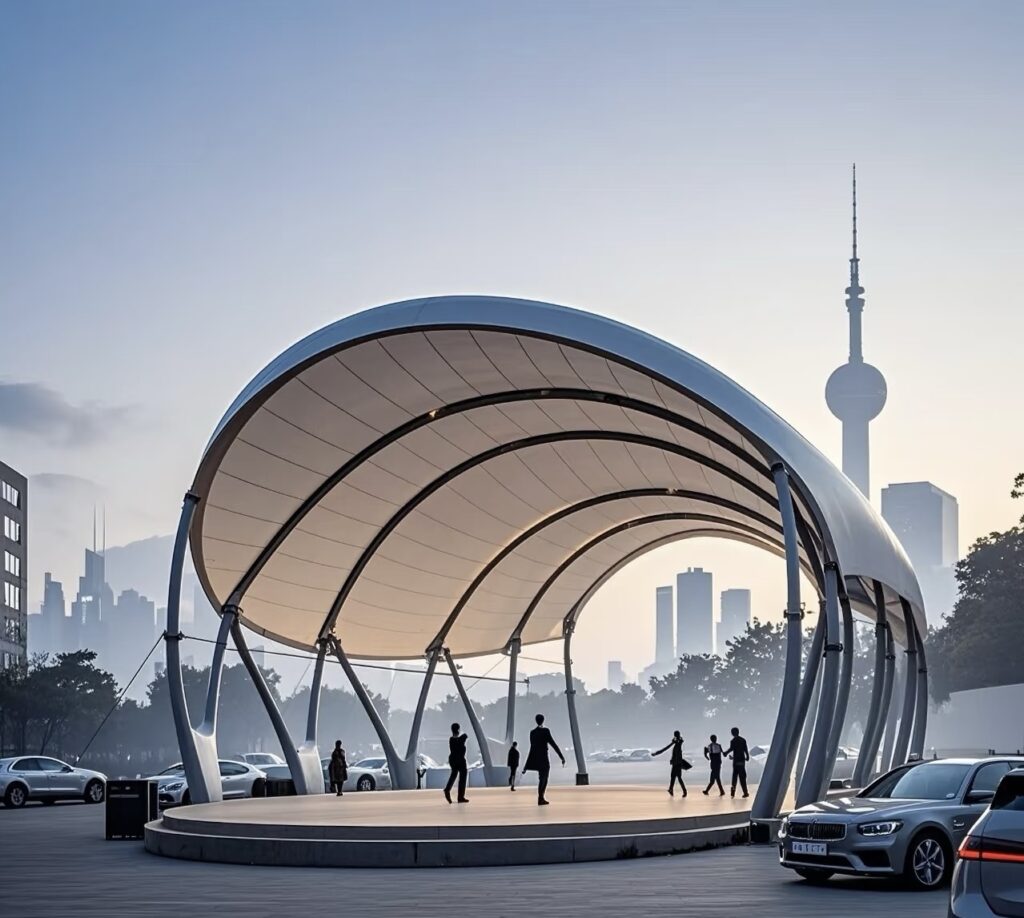
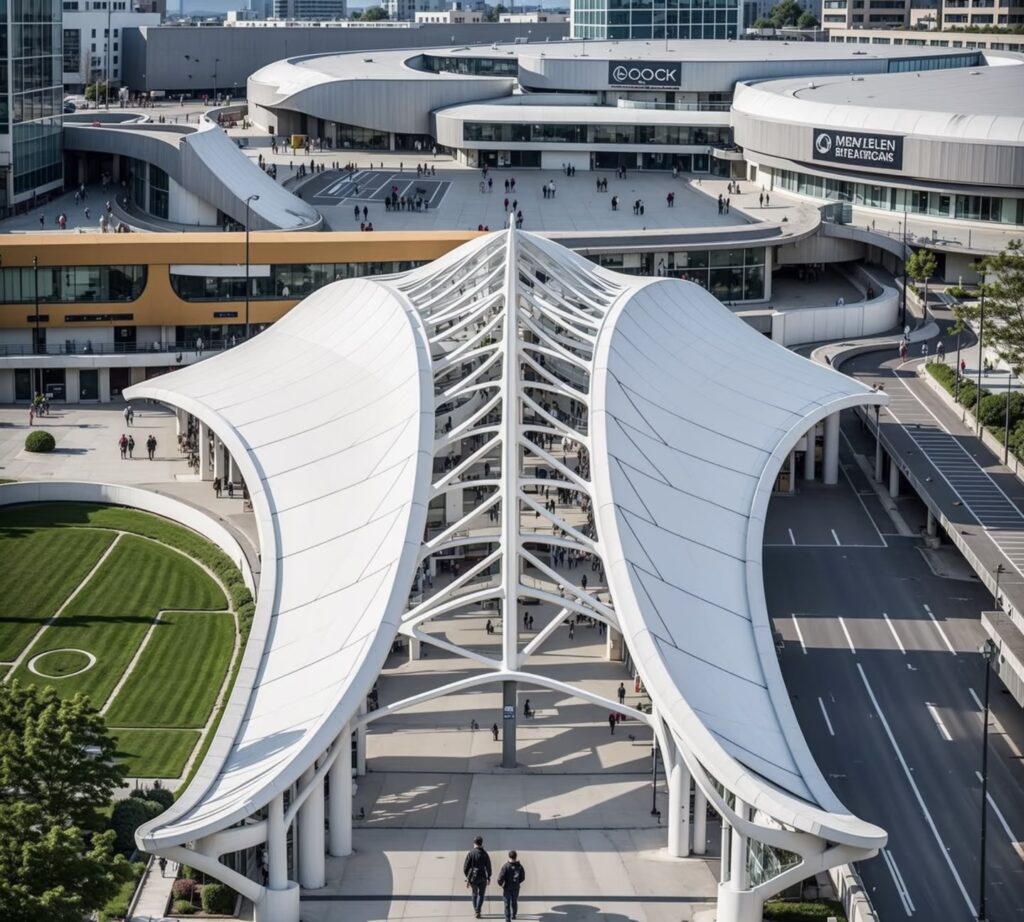
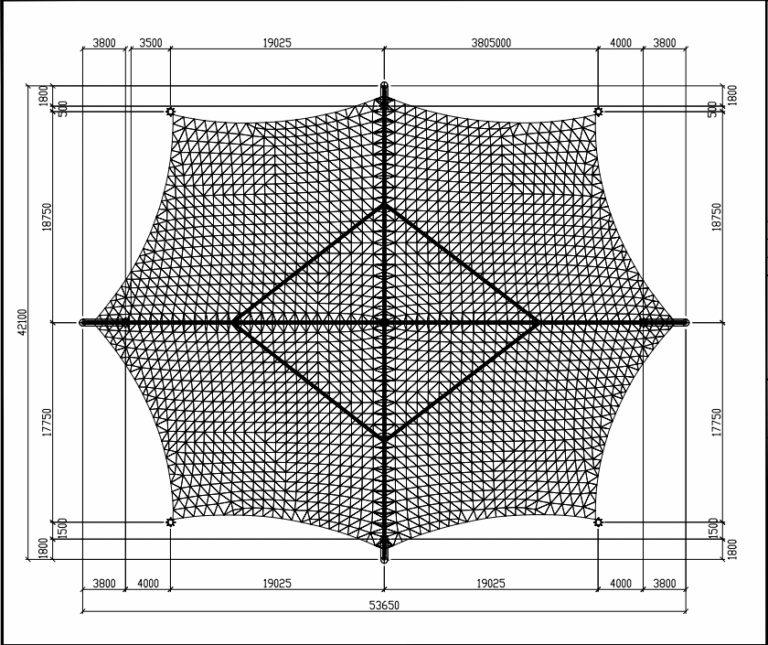
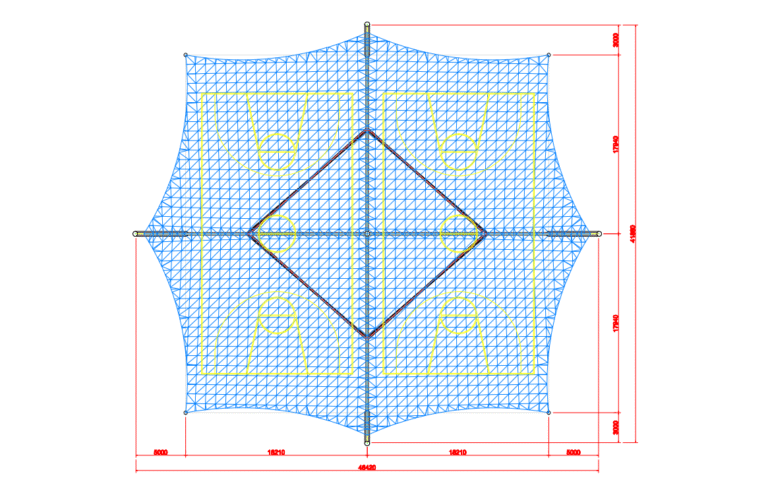
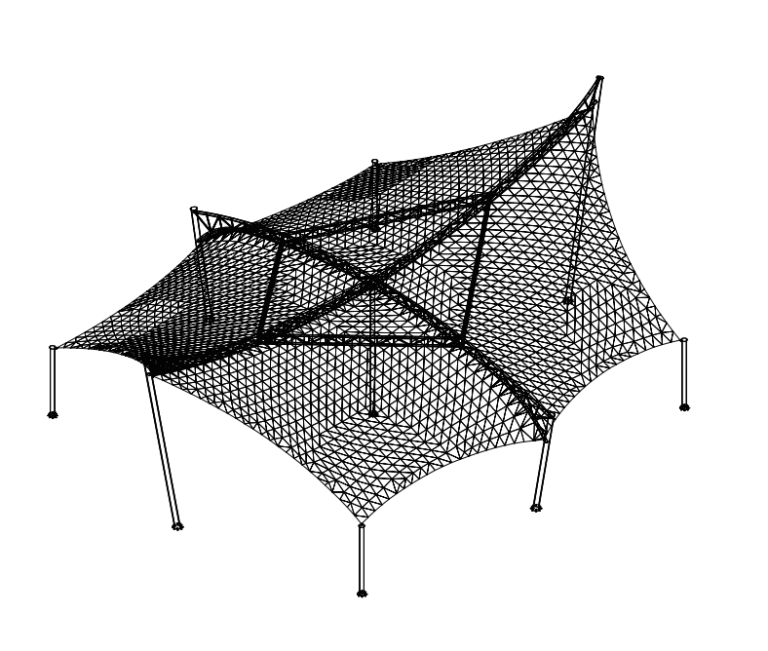
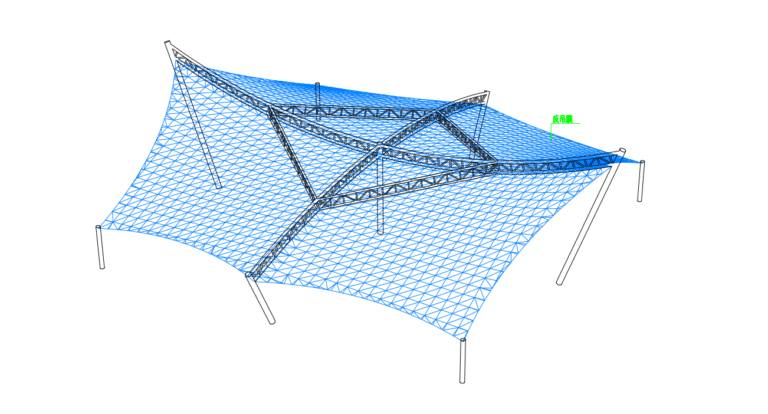
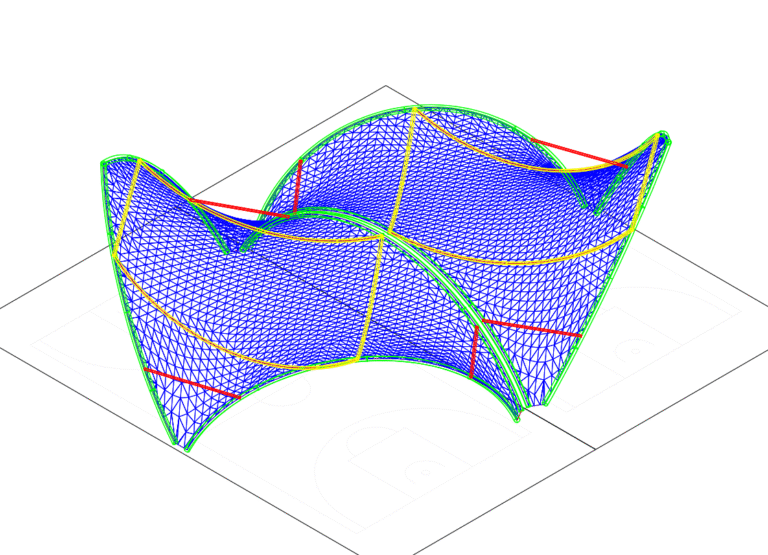
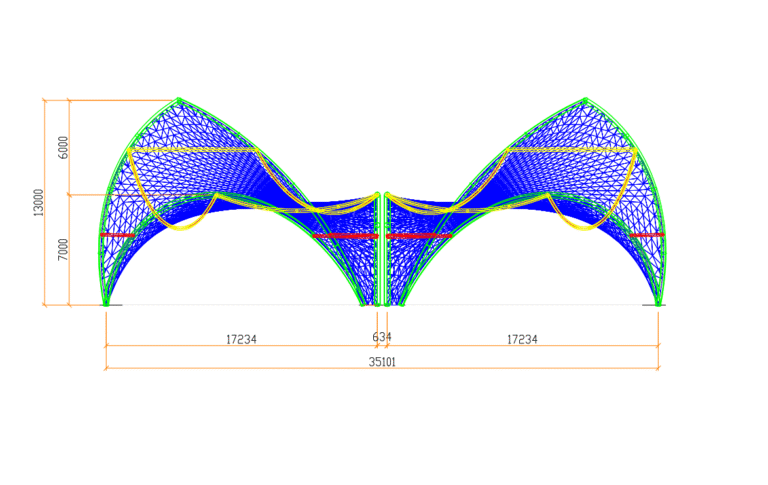
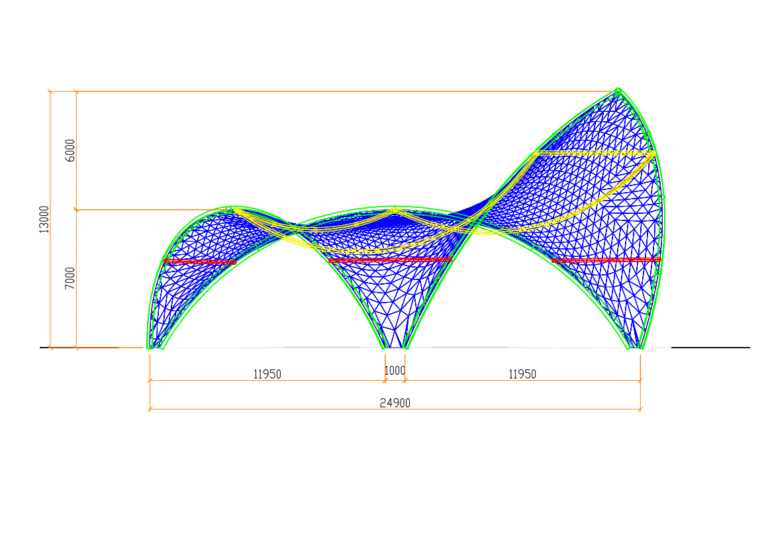
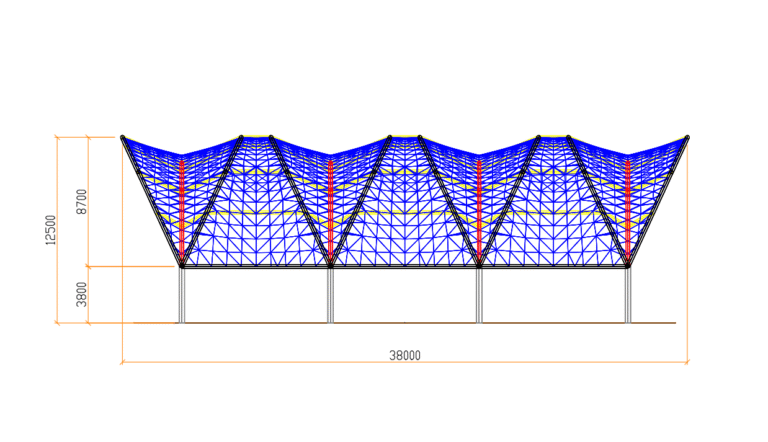
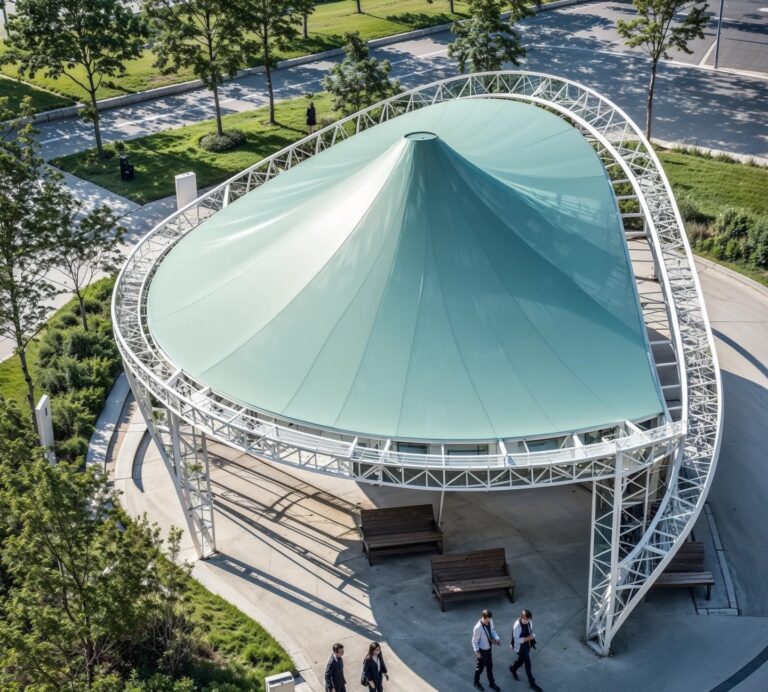
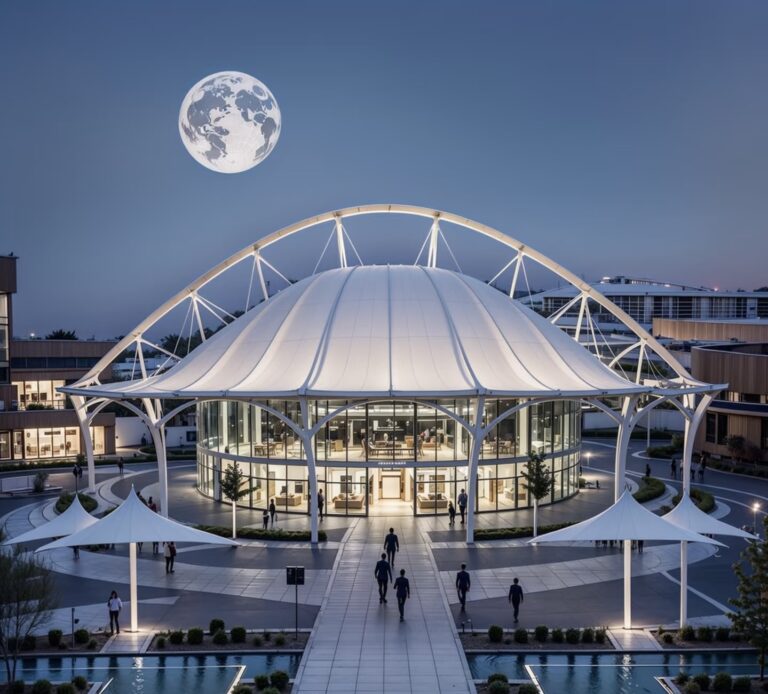
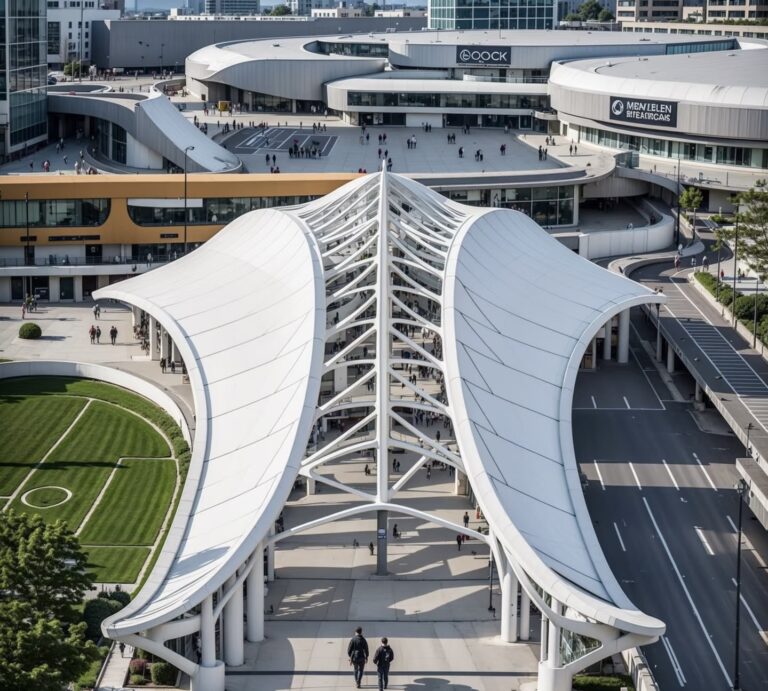
Membrane structure customization is a systematic project that integrates design, production, construction, and acceptance. The core logic is to first clarify the requirements and boundary conditions, then implement them through standardized processes, and finally ensure long-term use. It requires strict adherence to the five core steps of “requirement docking → scheme design → deepening implementation → production and construction → acceptance and operation and maintenance”, and each link requires professional team collaboration (design, structure, materials, construction party) to avoid rework in the later stage
Deep integration of demand
Clear core uses: sports venues, commercial corridors, landscape sheds, temporary buildings, emergency facilities, etc. (directly determining the type and structural form of membrane materials);
Functional requirements: Whether high transparency, fire resistance, sound absorption, self-cleaning, mobility (such as temporary exhibition halls), photovoltaic integration (power generation), etc. are required;
Basic parameter confirmation: coverage area, span (key indicators, PVDF membrane can be selected for ≤ 30m, PTFE membrane can be selected for ≥ 30m), height, shape preference (curved surface, dome, polyline, etc.), color (membrane material can be customized in white/gray/blue, color fastness requirements need to be confirmed).
On site and boundary condition survey
On site survey: terrain and landforms (whether they are flat and have no obstacles), geological conditions (soil bearing capacity, affecting foundation construction), surrounding environment (whether they are close to the seaside/chemical area, corrosion resistance needs to be considered; whether there are strong ultraviolet rays, UV protection needs to be strengthened);
External limitations: local building codes (fire rating, height restrictions), meteorological data (wind load, snow load, in accordance with the local “Code for Load of Building Structures” GB 50009), power supply conditions (if it is an inflatable membrane/smart membrane, power supply is required).
Budget and cycle confirmation
Budget scope: Clearly define the total budget (which affects the selection of membrane materials, such as PVDF with high cost-effectiveness and PTFE/ETFE with high costs) and itemized budgets (design fees, material fees, construction fees, transportation and maintenance fees);
Time nodes: demand delivery cycle, construction window period (to avoid adverse weather such as rainy season/winter), acceptance time.